Licensing Regulations Directing Deposit Methods in Hybrid Betting Platforms Offering Casino Bonuses and Sports Wagers
Written by Clara Schmidt · Nov 1, 2026
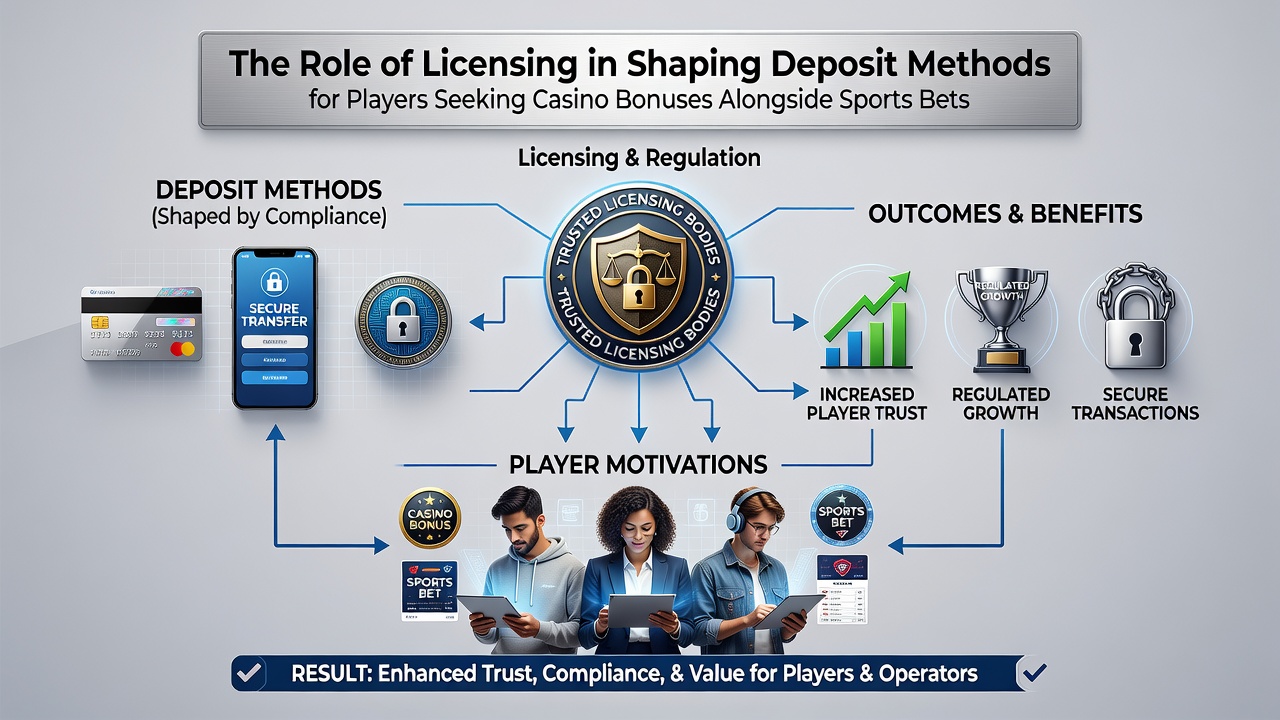
Licensing Regulations Directing Deposit Methods in Hybrid Betting Platforms Offering Casino Bonuses and Sports Wagers
Regulatory bodies across multiple jurisdictions establish licensing rules that directly influence which deposit methods operators can accept when players pursue casino bonuses alongside sports bets on the same platforms. These frameworks require verification processes, payment processor approvals, and transaction limits that vary by region, and data from November 2026 shows operators adjusting their systems to meet updated compliance standards in several markets.
Core Licensing Requirements for Hybrid Deposit Systems
Operators holding licenses from bodies such as the Nevada Gaming Control Board and the Alcohol and Gaming Commission of Ontario must integrate deposit solutions that satisfy both gambling and financial regulations before players can access combined sports and casino promotions. These rules often mandate the use of approved financial institutions or digital wallets that support real-time tracking of bonus wagering, and figures from industry reports indicate that platforms in North American markets expanded supported payment options by 18 percent between 2025 and 2026 to align with such mandates.
Licenses also dictate how funds move between sports betting accounts and casino sections, since many regulators require separate ledgers even on unified platforms, which affects bonus eligibility and rollover calculations. Observers note that players seeking promotions across both verticals encounter restrictions when using certain credit cards or bank transfers that lack cross-category support under specific license terms.
Regional Variations in Payment Integration
Different licensing regions impose distinct standards on deposit speed and verification that shape player experiences when combining sports wagers with casino bonuses. In Australian markets, for instance, the Australian Communications and Media Authority oversees frameworks that prioritize low-fee electronic transfers, while Canadian provincial licenses emphasize encrypted wallet integrations to meet data protection rules. Research indicates these differences lead operators to offer region-specific deposit lists rather than uniform global options.
Platforms operating under multiple licenses often segment their payment menus accordingly, and November 2026 updates from several European authorities prompted further refinements in how instant deposits trigger bonus unlocks for hybrid users. Those who've examined compliance filings report that operators in overlapping jurisdictions face added layers of approval for any new payment provider added to support bonus-seeking players.
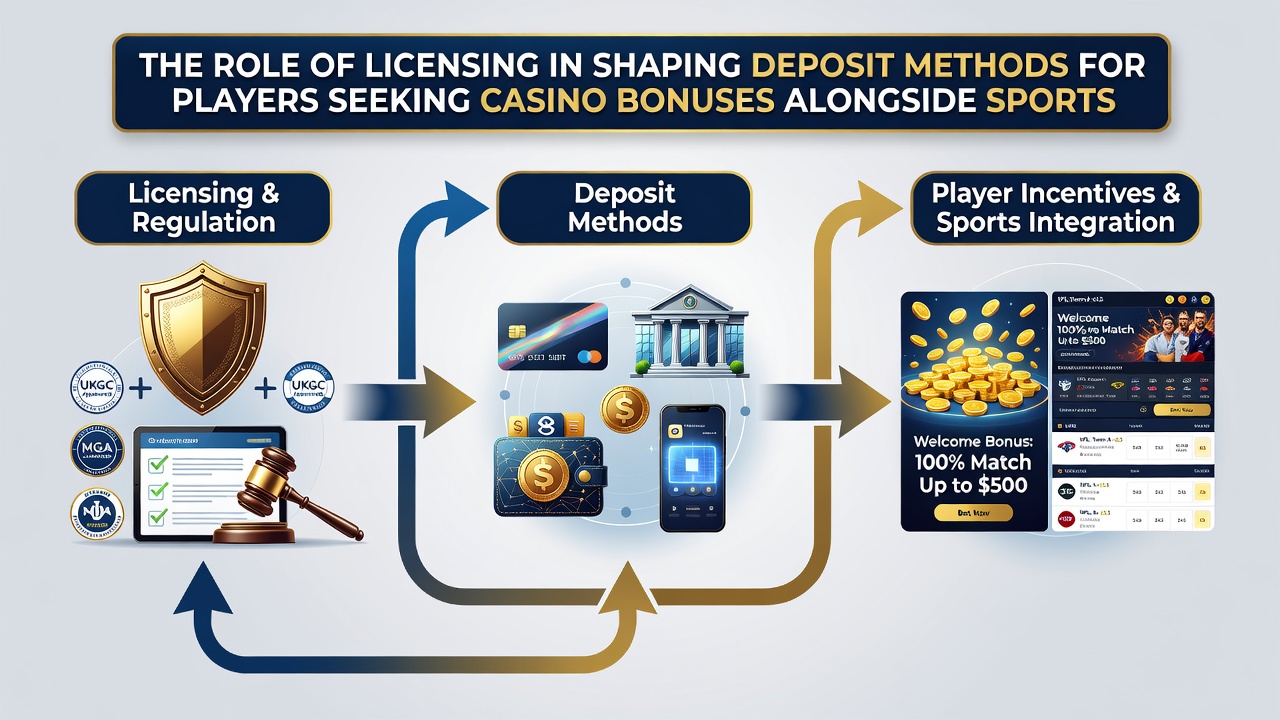
Impact on Bonus Structures and Player Choices
Licensing conditions frequently tie deposit method approvals to bonus availability, which means players using certain e-wallets may qualify for higher match rates on casino sections when their sports bets meet minimum thresholds. Data compiled by the International Center for Gaming Regulation at the University of Nevada, Las Vegas reveals that platforms with stricter license conditions recorded a 12 percent shift toward cryptocurrency deposits in hybrid accounts during the first half of 2026. This shift occurs because many licenses now accept blockchain-based options after operators demonstrate compliance with anti-money laundering protocols.
Yet the same rules can limit traditional bank transfers when bonuses apply across verticals, since regulators require clear audit trails that some older payment rails struggle to provide. Experts have observed that players in states with newer licensing regimes adapt by selecting from narrower but faster deposit lists, and this pattern appears in markets where hybrid platforms launched after 2024 regulatory reforms.
Future Adjustments Expected in Licensed Markets
Regulators continue to refine licensing criteria around deposit methods as hybrid betting grows, and November 2026 saw preliminary consultations in multiple jurisdictions on standardizing cross-vertical fund transfers. Industry associations such as the World Lottery Association have published guidance documents that operators reference when updating payment integrations to maintain license standing while expanding bonus offerings.
These ongoing changes mean deposit options available today may expand or contract depending on new license conditions, particularly for players who move funds frequently between sports and casino activities. Figures released by the Malta Gaming Authority in late 2026 highlighted a 9 percent increase in approved digital payment partners among licensed entities operating hybrid sites.
Conclusion
Licensing frameworks establish the boundaries within which deposit methods operate for players pursuing casino bonuses together with sports bets, and the variations across jurisdictions create distinct operational landscapes for platforms and users alike. Data from regulatory filings and academic sources show consistent patterns of adaptation as operators align payment systems with evolving license terms through November 2026 and beyond. Those monitoring these developments note that the connection between licensing approvals and deposit functionality remains central to how hybrid betting services function in regulated environments.